Agricultural roots
Over 70% of Ethiopians draw their livelihood from the land, blending ancient heritage with evolving agricultural practices.
 Wego Addis Tour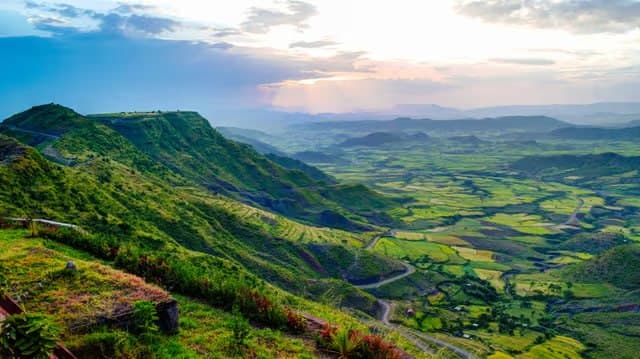
Wego Addis Tour
Everything you need to know before exploring Ethiopia — from landscapes and climate to visas, cuisine, and local logistics.
Overview
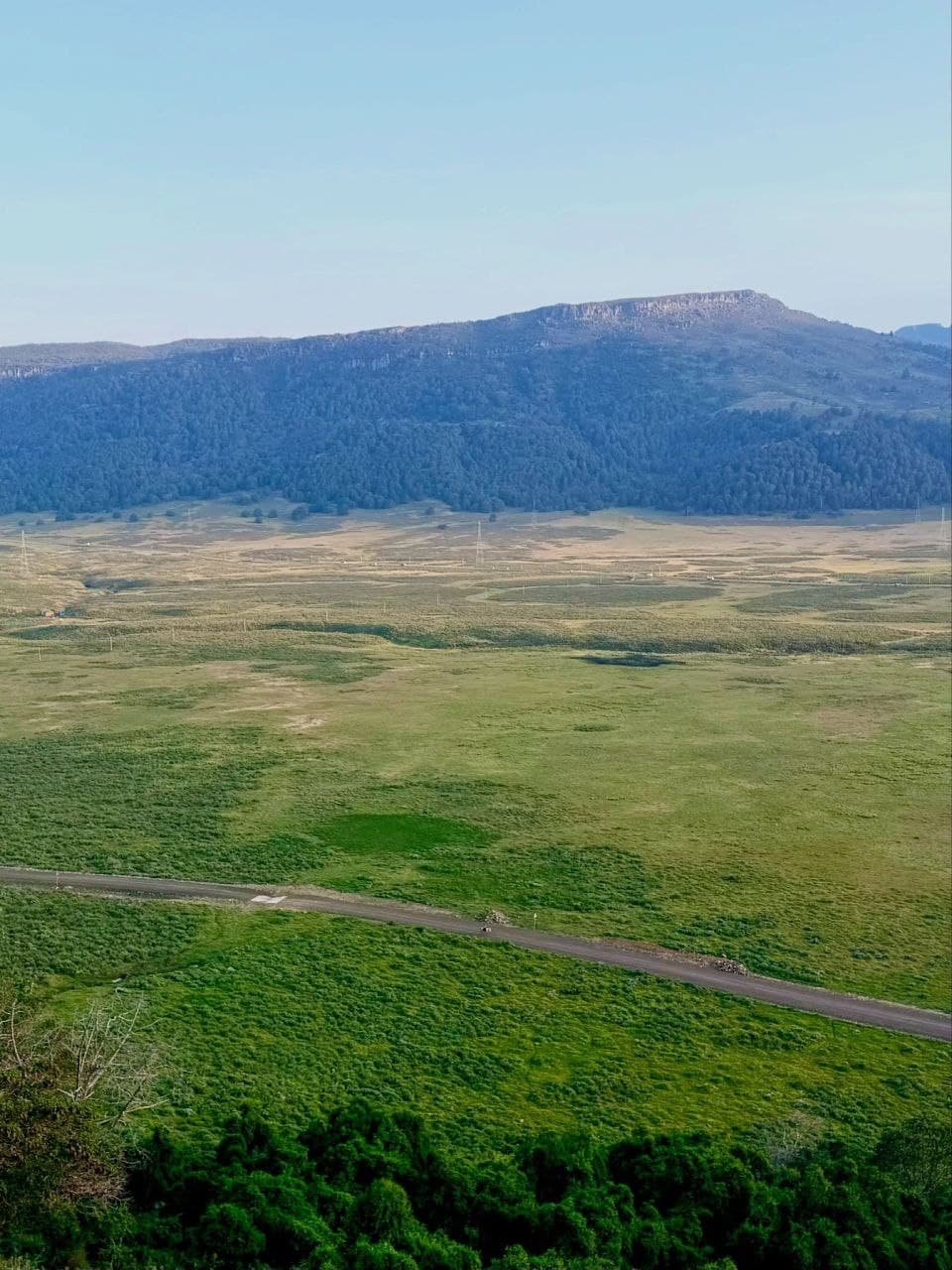
Covering an expansive 1,112,000 square kilometers, Ethiopia is roughly the size of France and Spain combined. The rugged Abyssinian Highlands slice through the center, dropping to western grasslands bordering Sudan and the spectacular deserts of Afar and the Danakil Depression to the east.
South of Addis Ababa, the geography transitions into a breathtaking chain of Rift Valley Lakes. Ethiopia's population stands at over 138 million — the second most populous nation in Africa and one of the most culturally vibrant hubs on the globe.
Ethiopia is a Federal Democratic Republic with diverse regional states and two chartered cities: Addis Ababa and Dire Dawa.
1.1M km²
Land area
138M+
Population
Economy & Culture
Over 70% of Ethiopians draw their livelihood from the land, blending ancient heritage with evolving agricultural practices.
The word coffee originates from Kaffa province, where wild Arabica was discovered. Coffee remains our cultural treasure and top export.
The Blue Nile contributes roughly 85% of the main Nile's flow. Projects like the Grand Ethiopian Renaissance Dam power clean energy across the region.
Africa's largest livestock population, premium oilseed exports, growing mining, and high-value sustainable tourism shape a modern economy.
Layered clothing
Lightweight layers for sunny days plus a jacket for crisp highland evenings.
Sturdy footwear
Comfortable walking shoes with good grip for historic, uneven stone sites.
Religious etiquette
Remove shoes before entering churches and mosques. Pack thick socks for cool stone floors.
Trekking extras
For Simien or Bale Mountains: cold-weather gear, windproof layers, and a heavy sleeping bag.
Pro tip
Ethiopians are generally modest dressers. Avoid underdressing when visiting communities and places of worship. Highland temperatures rarely exceed 25°C (77°F).
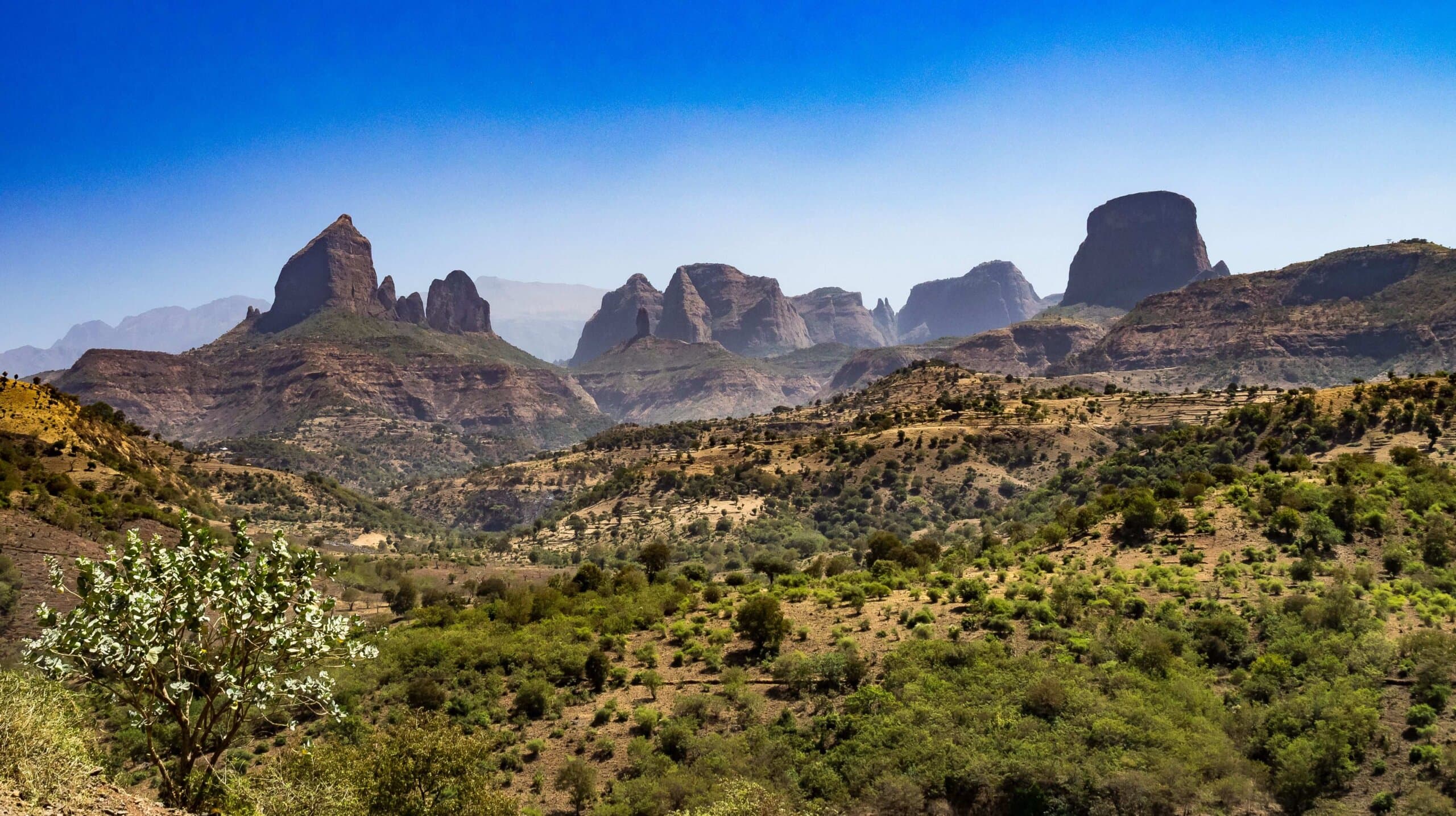
The main rainy season runs from June to late September. With modern airport upgrades across Lalibela, Gondar, Bahir Dar, and Axum, travel is smooth year-round. The green season offers lush landscapes, waterfalls, and a crowd-free experience.
Logistics
Wego Addis Tour helps you combine air travel, road routes, and on-the-ground support so you spend less time planning and more time discovering.
Ethiopian Airlines links over 20 domestic destinations with a reliable network — the leading aviation hub in Africa.
Combine flights with private road travel to experience northern massifs, escarpments, and jaw-dropping highland routes.
4G/5G data is widely available via Ethio Telecom and Safaricom Ethiopia. Pick up a traveler SIM at Bole International Airport.
Carry travel insurance, a basic first-aid kit, sun protection, and follow vaccination guidance for your route.
Culinary journeys
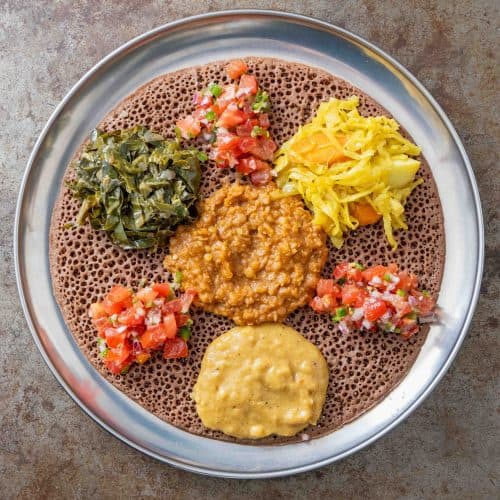
The crown jewel of Ethiopian food culture is injera — a spongy, sourdough flatbread crafted from teff, an iron-rich, gluten-free ancient super-grain unique to the Horn of Africa.
How to enjoy an Ethiopian platter
Stews are simmered with berbere — an aromatic blend of sun-dried chili peppers and up to 20 local herbs. During fasting seasons, devout Orthodox Christians enjoy bayenetu, a vibrant plant-based spread of lentils, chickpeas, and spiced greens. European-style cuisine is also widely available in urban hotels and restaurants.
100% gluten-free teff injera
Before you arrive
Visas, money, connectivity, and health — the practical details for a smooth start.
Citizens from all countries can apply online for a single-entry tourist visa (30-day or 90-day) via the official portal at evisa.gov.et.
Processing typically takes about 3 days. Ensure your passport is valid for at least 6 months past your travel date.
While visa-on-arrival is available to select nations at Bole International Airport, completing your e-Visa online guarantees zero entry delays.
Official e-Visa portal: evisa.gov.et
Plan your journey with Wego Addis Tour — local experts ready to guide every step.